Management update: February
February 24, 2026
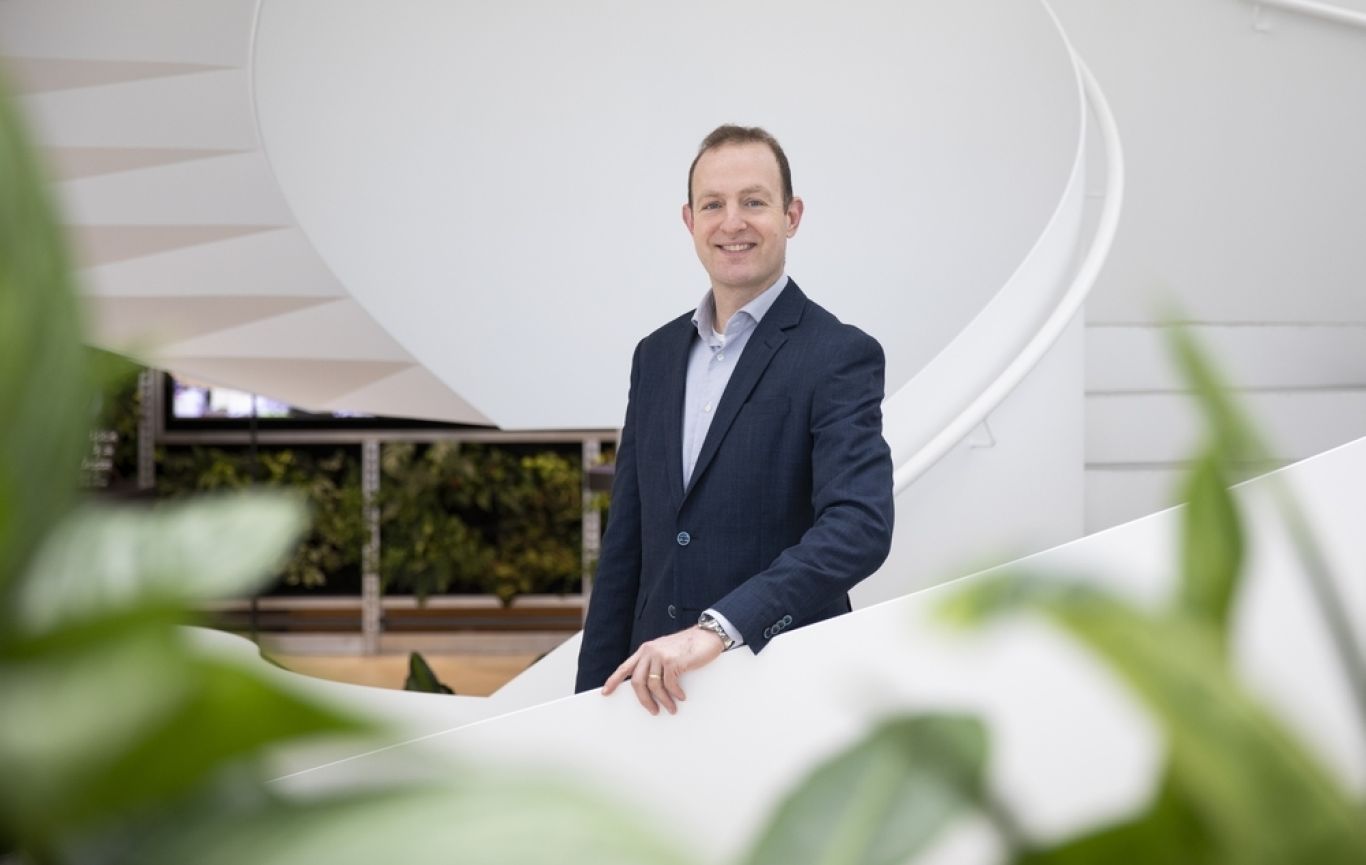
In this update, our interim CEO, David van Mechelen, looks back on the past month and ahead to the future on behalf of the Royal FloraHolland (RFH) management team.
Valentine's Day
February traditionally marks the moment when our sector really gets going. Valentine's Day remains the first major challenge of the season. With 464 million flowers traded, we once again saw how robust our supply chain is when it comes down to it. As every year, roses dominated, but tulips and chrysanthemums also proved their place in the hearts of consumers. However, due to a more abundant supply, price developments were lower than last year, when prices were unusually high.
What strikes me every year is how all the links in the chain collaborate during this busy period. Our logistics colleagues form the daily foundation of the operation, while colleagues from the office provide support where necessary to cope with the peak. This joint effort, each from their own role, shows how strong we are when we work as a whole.
Love of flowers
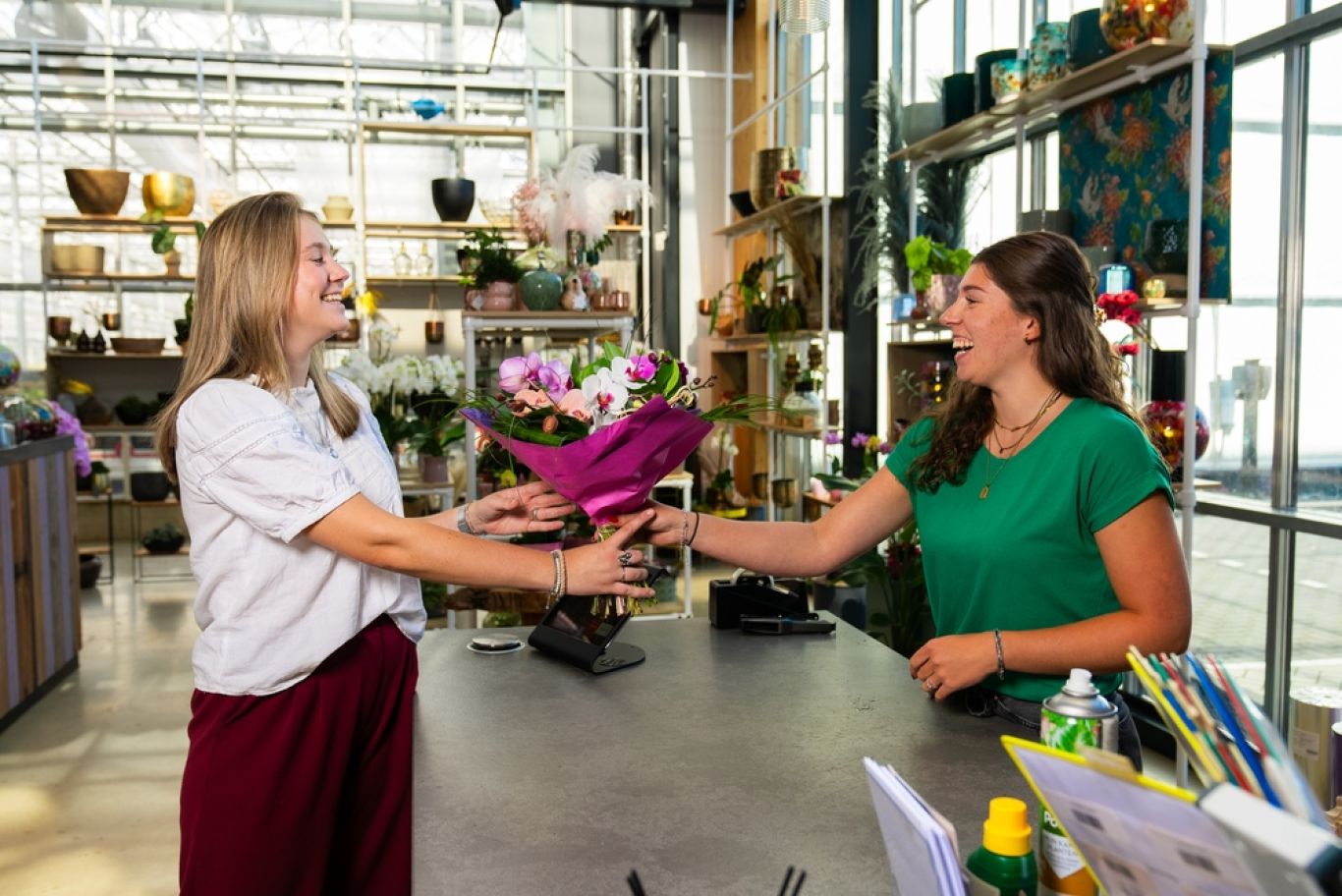
It was also rush hour in the media around RFH and the sector. In addition to the interest surrounding Valentine's Day, the proposed VAT increase also called for a response. We let numerous media outlets know why this is a bad plan. In February, we also launched the “Flower Love” campaign in collaboration with the Royal Association of Florists (VBW). The love of growers and florists took centre stage, and nowhere was this more beautifully expressed than on Valentine's Day at Amsterdam Central Station. There, a metre-high Valentine's card was displayed, filled with personal declarations of love from growers to their favourite flowers. We also handed out flowers, an excellent moment to literally let the sector shine.
The many heart-warming messages left by travellers made it clear how much this message resonates. The campaign will continue in the coming months, leading up to Mother's Day, where we will build a positive, human story about our sector.
NVWA reports
In February, the NVWA also published two reports, both related to the use of crop protection products. Fortunately, it was confirmed – rightly so – that flowers are safe for consumers when used normally, a message that brings peace of mind amid a debate sometimes overshadowed by uncertainty. And for our own people who have prolonged contact with stems, clear regulations must be in place to ensure their safety.
In light of these reports, it is essential to emphasise to the outside world the steps we are taking as a sector in sustainability, as well as the bottlenecks that exist (such as the slow approval of “green” products). And how we use further transparency through certification to protect our reputation. Reputation consists of 80 per cent behaviour and 20 per cent communication, so what we do and our openness about it are crucial.
Development of a new code of conduct
At Royal FloraHolland, we are continuing to strengthen our foundation. For example, we are working on a code of conduct that reflects how we want to collaborate with members and partners. Clear values and behaviour help us to stay on course in a changing environment. In the coming period, we will be working hard on this in consultation with our members, taking into account the constructive critical feedback from the Members' Council.
Sustainable developments in Aalsmeer
Work on our new sustainable facilities in Aalsmeer is now in full swing. On-site, we are working hard on the foundations of the future Flora Energy Plant, which will house the largest heat pump in the Netherlands. This facility will extract heat from the bottom to heat our buildings entirely without gas.
We are also making progress within our logistics operation. In cold storage unit C.011, we are building a new order picking facility, which will reuse the heat released by the cooling motors. These are visible and less visible projects that together demonstrate how we are working towards a future-proof, sustainable hub.
Uniform labelling process for floriculture
On 14 January, Plantform growers, buyers, and Floriday met again to take further steps towards a uniform, future-proof labelling process. During this third session, a lot of work was done to achieve greater clarity and uniformity in the use of labels within the supply chain. Agreements were made on the timely delivery of sticker information, standardisation of formats, technical principles for financial processing and joint quality requirements. Floriday is now working out the technical details of these agreements and testing them together with market parties, after which a phased roll-out will follow. This joint approach not only enhances efficiency and digitisation in the supply chain but also further improves logistics processes.
Flora Spring Expo
Preparations for the first Flora Spring Expo on 18 and 19 March are in full swing. More than 100 growers will soon be showcasing their latest spring assortment and meeting (international) buyers at our outdoor site in Aalsmeer.
Personally, I am particularly looking forward to the discussions between growers, buyers and colleagues. It is precisely these encounters, in which people connect, ideas are born and knowledge flows, that make such an exhibition so valuable. The programme is now online.
Stronger together against phytosanitary risks
In the floriculture chain, we are taking a significant step forward together in tackling phytosanitary risks. This is a key priority, given recent distressing examples of contamination among growers.
All links in the supply chain, from starting material to retail, are participating in the new Tailored Knowledge project “A phytosanitary resilient floriculture chain”, which was recently launched by Tuinbranche Nederland. With LTO Nederland as the coordinator and Wageningen University & Research as the executor, Royal FloraHolland, together with other partners in the supply chain, is also actively involved. The need is clear: our sector is strong internationally, but also vulnerable to the introduction and spread of quarantine organisms, while knowledge and awareness of the urgency are not equally high everywhere.
This project builds on previous collaborations around Q organisms, but is now entering the next phase by translating knowledge into clear courses of action for each role in the supply chain. By jointly investing in prevention and awareness, we are increasing the resilience of the entire sector and protecting the economy, the living environment, and biodiversity. In this way, we are jointly building a strong, future-proof supply chain in which every link matters.
New phase in the collective labour agreement negotiations
On 17 February, collective bargaining negotiations for 2026 commenced. This is always an important topic because it affects what we offer our colleagues and the flexibility we need as a cooperative. We are known as a strong employer with solid conditions, but we also operate in a reality of declining volumes and rising costs. Therefore, realism in the unions' demands is necessary.
The initial talks were open and constructive. In the coming weeks, we will continue working carefully to reach agreements that are both desirable and sustainable.
Full steam ahead
In short, a lot is happening within RFH and in the sector, much of it positive and good, and at the same time, we also see the necessary challenges we can tackle together from a position of strength and pride. After all the good work around Valentine's Day, now it's full steam ahead towards Mother's Day!
-
Did you find this interesting?
Then share this article
-
Related articles