The power of the auction clock: “Not a tool, but a vision”
June 30, 2026
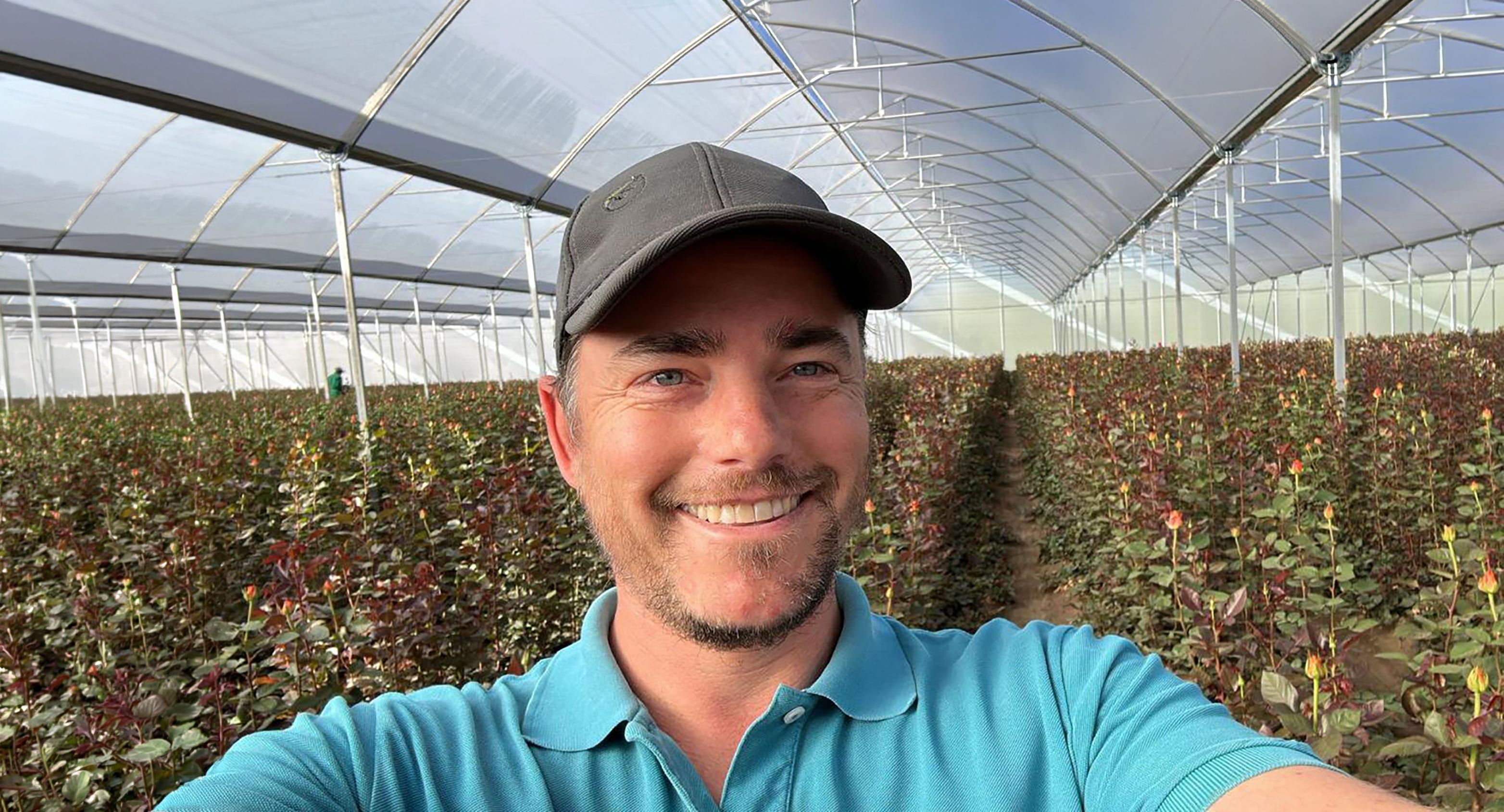
For some growers, the auction clock is a sales channel. For Simon van der Burg, it's much more than that: it's the foundation of his entire business operations. “For me, the auction clock is not a system, but a way of bringing my product to market fairly and reliably.”
That choice calls for a clear approach. According to him, success at the auction doesn’t start with sales, but with structure and discipline. “You have to deliver every day: consistent quality, recognisable products and a stable supply. Buyers need to know what to expect when they see your name.”
That is precisely what makes the auction clock so powerful. “Everything comes together: demand, supply and price. If your product is good and you deliver reliably, the market recognises that straight away. You don’t need to do much to steer that yourself.”
Why the auction works
For Simon, this way of working is also practical. “My strength lies in growing. I want to be in the greenhouse, focusing on the product and quality. Not spending half the day chasing after customers.”
The auction supports that. “I don’t need a sales office, no credit control and no uncertainty about payment. I know where I stand. That gives me peace of mind and focus.”
Even in tougher times, he believes this remains true. “When prices are low, there’s little demand in direct trade either. And when there’s a shortage, that’s precisely when you see the auction system working: shortages are compensated for there, whereas in direct trade they often aren’t.”
Yield over costs
Simon notes that discussions about the auction often centre on costs. In his view, the real question lies elsewhere: how do you get a better return from your crops?
“Ultimately, it’s about what you’re left with per square metre. If you consistently earn a few cents more per stem, that makes a huge difference on an annual basis.”
That calls for tough choices. “You have to take a critical look at your assortment and your production. What really adds value? Only then can you put a strong and reliable supply on the auction every day.”
From strategy to practice
Simon applies that vision every day in his own business. Since 2023, he has been running his farm in Kenya, focused entirely on roses and the auction.
He cultivates on sixteen hectares and deliberately opts for a broad yet distinctive assortment: 22 commercial rose varieties. “Many of those varieties are offered by very few other growers. That’s a deliberate strategy. I want to stand out on quality and assortment, not on volume.”
Exclusivity as a conscious choice
That strategy didn’t come about by itself. “I actually moved away from growing only standard varieties,” Simon explains. “If you grow the same things as growers in higher-altitude areas, you’re the last to be snapped up. Especially during periods when prices are under pressure.”
By opting for less common varieties, he creates visibility. “On paper, that might seem riskier, but it does give you immediate exposure. At the auction, buyers can quickly see: this is different. That helps you stand out, even when volumes are smaller.”
According to Simon, success ultimately lies in the combination: distinctiveness and reliability. “A unique product alone isn’t enough. You have to get it right every day. Ensure the supply is proper, quality is consistent and your product is recognisable and easy to find. That sounds logical, and it’s vital for success at the auction.”
The view of the auction in Kenya
Even from Kenya, Simon can see how differently growers approach the auction. “There’s a core group that really relies on it. But there are also growers who mainly use the auction as a showcase: supplying for a few months, attracting customers, and then switching back to direct sales.”
In his view, that mainly works in the short term. “In the long term, it’s all about structure, transparency and consistency. Especially if, as the owner, you’re personally involved in cultivation and the product.”
Not a tool, but a vision
For Simon, the auction isn’t about right or wrong, but about conscious choices. “It’s about your business operations. If you know where your produce comes from and focus on that, the clock simply works very well.”
His conclusion is therefore clear: “The strength of the clock lies in reliability, focus and transparency. If you’ve got that sorted and your customers know where they stand, the market will naturally appreciate it.”
-
Did you find this interesting?
Then share this article
-
Related articles