Reflection on the 2026 Spring Peak
July 6, 2026
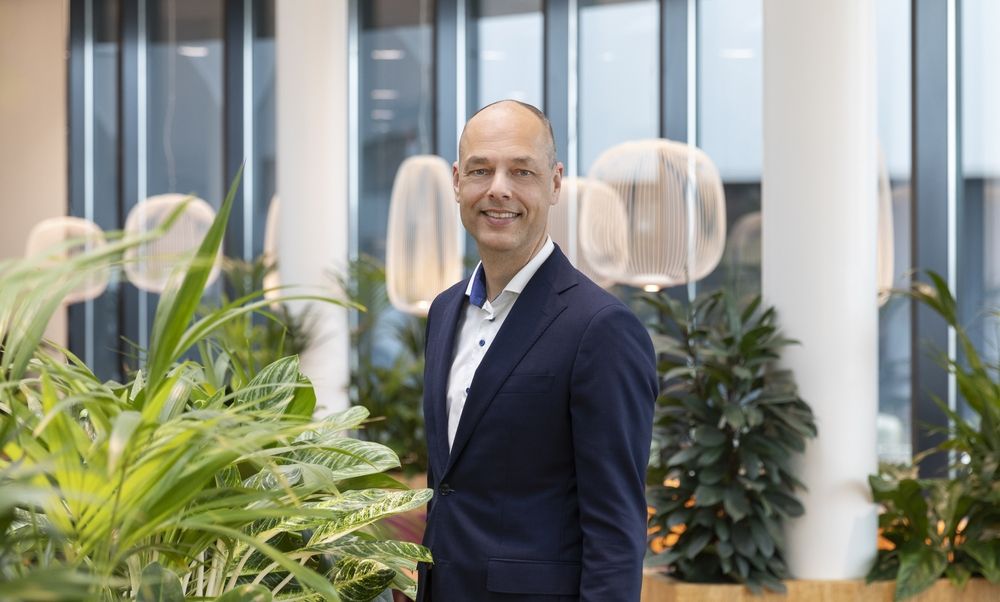
The spring peak is now behind us. For our members, buyers, growers and colleagues in logistics, this is one of the most important periods of the year. Despite our careful preparations, we at Royal FloraHolland have concluded that not everything went as well as we would have liked. On a number of peak days, buyers in Aalsmeer experienced later delivery times than they should reasonably expect from us. I find that extremely disappointing. Particularly on peak days, every minute counts.
Order picking not the cause
When trolleys are delivered later than planned, the work of buyers is delayed accordingly. Hauliers have to wait, processes come under pressure and commitments further along the supply chain become more difficult to meet. I understand that buyers naturally look at changes within Royal FloraHolland’s processes when completion times increase, especially on critical peak days.
There has been speculation within the sector that the transition to order picking caused delivery delays in Aalsmeer during the peak period. However, three-quarters of all flowers in Aalsmeer are still processed through the traditional distribution process. The delays on peak days were not specific to auction groups already handled via order picking. We observed similar delays in auction groups that continue to be processed through the existing distribution system.
For the later delivery of flowers in particular on several peak days in Aalsmeer, I do not see a single underlying cause. Rather, it was the result of a combination of factors:
- a continuing shift of supply volumes towards Aalsmeer;
- a growing number of transactions to be processed per incoming trolley;
- limits in the availability of logistics staff on peak days.
In particular, the combination of increased granularity per trolley and an incomplete peak-period workforce placed additional pressure on our logistics operation during peak days, which in turn affected completion times.
Scaling up staffing levels
In recent years, we have generally been successful in scaling up staffing levels during peak periods. This spring, however, that proved more challenging. In the Aalsmeer region, Royal FloraHolland faced stronger competition than before from other logistics employers, many of whom are able to offer full-time contracts more readily. Despite significant efforts to recruit additional permanent and temporary staff for the peak season, interest in part-time positions at Royal FloraHolland was insufficient, even though salaries remain in line with the market. Despite the support of many office-based colleagues who assisted as peak-period staff, the staffing gap remained. This challenge is not new and is visible throughout the wider supply chain. However, during this peak period, the scale of the issue became particularly apparent.
More transactions per trolley
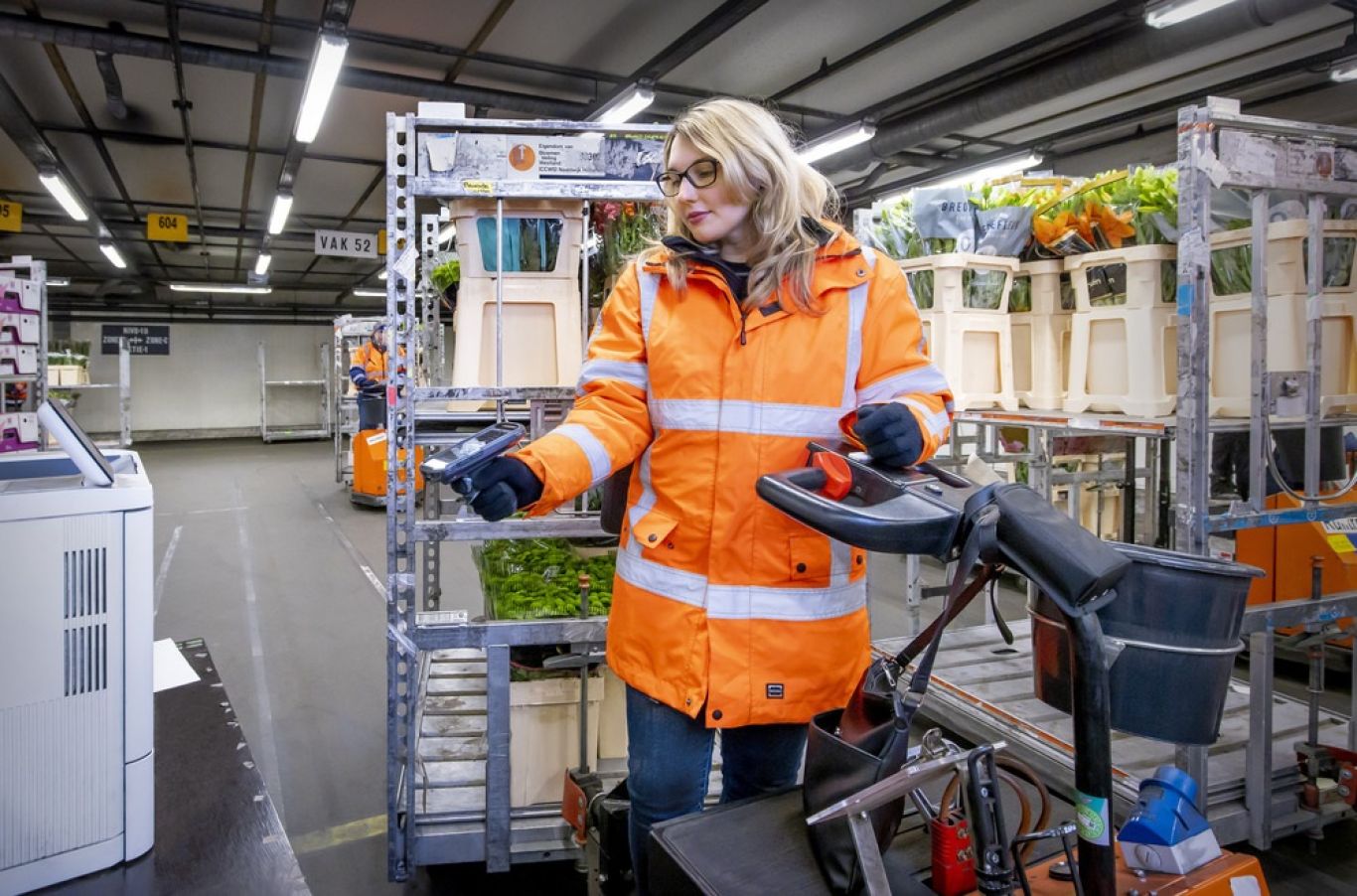
In conversations with buyers, I occasionally hear: “Finishing this late with this number of trolleys would not have happened in the past.” I understand that reaction, but the way a trolley is processed today differs considerably from how it was handled previously. The logistical work associated with each incoming trolley has increased over the years. Increasing granularity means that a trolley supplied by a grower is more often divided into multiple smaller transactions. As a result, our logistics employees perform more handling activities per trolley than they did in the past. The number of incoming trolleys therefore no longer provides the full picture of the workload within the process.
During this peak period, our logistics teams processed more transactions per incoming flower or plant trolley than ever before. This was partly driven by an increase in transactions through Clock Pre-Sales (KVV) during weekends. On the busiest days, almost 40% of all transactions were KVV transactions.
This spring peak, the highest number of flower transactions processed in Aalsmeer on a single day reached 102,000. In 2025, the figure was 93,000. That represents an increase of approximately 10%. On the absolute peak days of 2026, this translated — even with full staffing levels — into almost one additional hour of logistics work compared with comparable days in 2025.
Limits to processing capacity
Whether through the distribution process or through order picking, Royal FloraHolland can process a maximum of approximately 11,000 flower transactions per hour in Aalsmeer. A crucial condition, however, is that sufficient logistics staff are available.
This year, the high number of transactions per trolley led to later completion times on peak days and, consequently, later delivery of the final trolleys. Even if all flowers had still been processed through the traditional distribution process, it would not have been possible on these peak days to deliver all flowers to buyers by 2.00 pm. Through our website, we endeavour to communicate the expected latest delivery times as accurately as possible.
Improving the process
Looking back, I am proud of the dedication shown by our people, the strong availability of transport packaging and the way Dock Services managed the substantial international inflow of roses around Valentine’s Day, particularly from Africa. At the same time, I recognise that our logistics service came under pressure on peak days, while our objective remains to provide reliable and predictable service. For that reason, we are focusing on three areas for improvement.
1. Increasing the capacity of our logistics operation
We are examining how we can expand our processing capacity — the number of transactions we can handle per hour. This requires both optimal staffing levels and further investment in mechanisation. In the short term, we are working hard to secure sufficient logistics staff, although this will remain challenging given the current proportion of part-time contracts. In the longer term, we aim to create greater scope for full-time employment, making Royal FloraHolland a more attractive employer. This can only be achieved if, together with buyers, we are able to spread logistics activities more effectively across a larger part of the day.
2. Reviewing granularity on absolute peak days
For the busiest days, we are investigating whether the number of transactions can be reduced slightly. For example, by auctioning in somewhat larger lots at specific times and critically reviewing the minimum purchase quantities for KVV. We fully recognise the importance of highly granular transactions for both buyers and growers. Any such decisions will therefore be taken with great care.
3. Working together to spread deliveries more evenly
The daily rhythm of the sector is something we have been discussing with growers and buyers for some time. Especially on peak days, it remains important to achieve a better distribution of workflow. Greater use of later Select Delivery time slots may help. If part of the purchases can be delivered later in the afternoon, more processing capacity becomes available for transactions that buyers genuinely require earlier in the day. It is encouraging to see that some buyers are already working with us on this, helping to improve the flow of both our processes and their own.
In conclusion
The lessons and improvement points identified during this peak period will be incorporated into preparations for the autumn peak and the 2027 peak season. We will continue our dialogue with buyers, growers and other supply chain partners so that we can work together on solutions and address bottlenecks collectively. Because only by working together can we build a logistics operation that remains reliable, predictable and workable — particularly on peak days, when pressure across the entire sector is at its highest.
View the figures for the entire peak period.
-
Did you find this interesting?
Then share this article
-
Related articles
At the table with the Consultation on Digitisation of Floriculture - In conversation with: Marcel van der Lugt (Chairman of the Members' Council)
July 13, 2026
Order picking flowers Aalsmeer: next step at the end of September
July 8, 2026
Building cyber resistance together: what Ter Laak Orchios learnt from a phishing attack
July 6, 2026