Why you can buy flowers with peace of mind
February 3, 2026
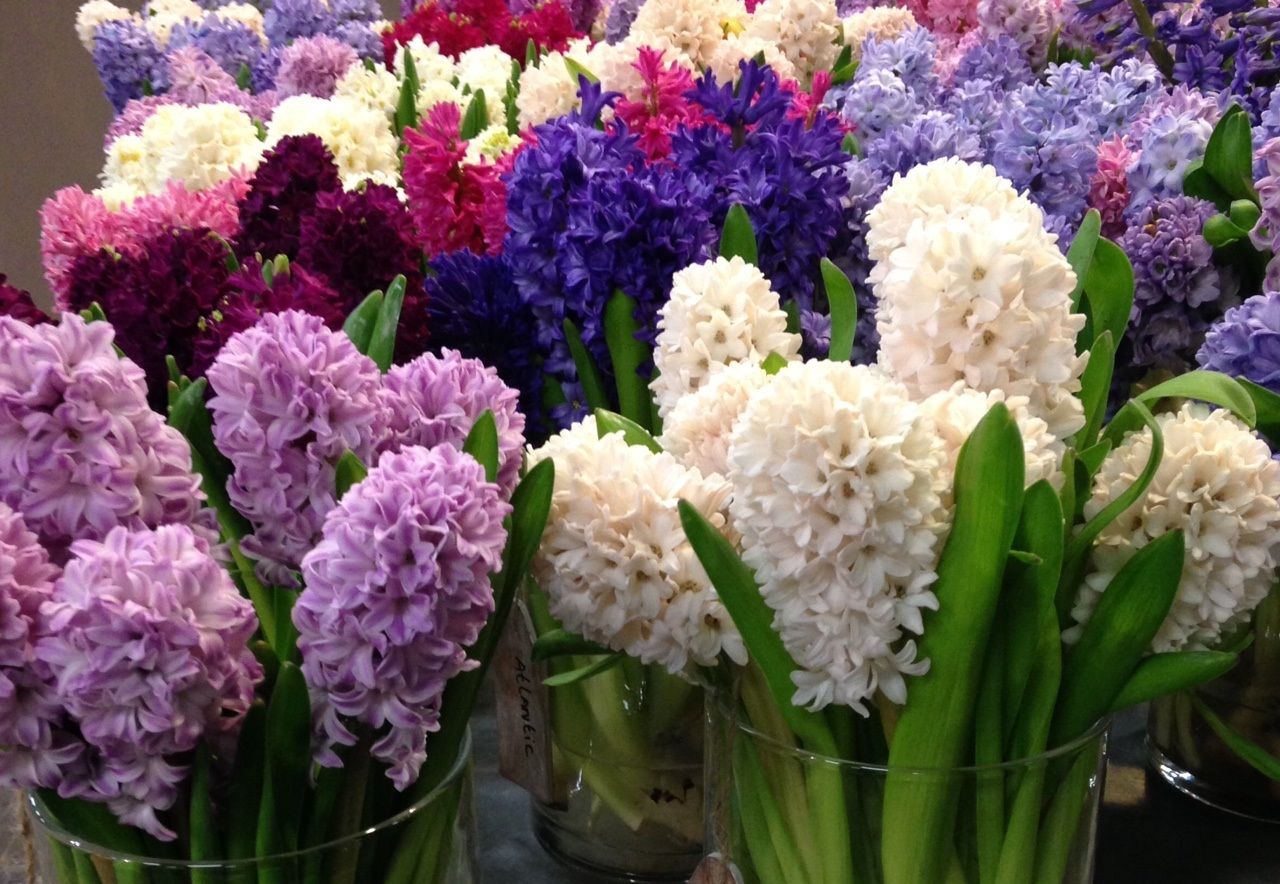
People enjoy giving and receiving flowers. Flowers brighten your day, enliven your living and working environment, bring nature into your home, and help express feelings at important moments in life when words fall short. But can you still buy flowers with peace of mind now that studies show there may be traces of crop protection products present on them?
First and foremost, as the ornamental horticulture sector, we want to emphasize that the health and protection of people, animals, and the environment are our top priorities. This is why growers make every effort to minimize the use of chemical crop protection products. They do so through the method of integrated pest management (IPM). This approach first looks at what can be done to prevent diseases and pests altogether - for example, by developing stronger flower varieties that are more resistant to diseases and pests.
If an infestation does occur, growers deploy biological control agents such as parasitic wasps and predatory mites to combat harmful insects. They also use green (biological) products and technical solutions. Examples include installing insect screens in greenhouse windows to keep harmful insects out, using drones that can detect and eliminate certain pests at an early stage, or applying infrared light to combat fungi. Only if all these measures prove insufficient do growers apply a crop protection product locally - as a last resort.
Extremely small concentrations
The fact that traces of crop protection products can still be found on flowers is partly due to increasingly sophisticated laboratory techniques, which make it possible to detect ever smaller concentrations. This is also the case with detected residues of crop protection products: these involve extremely small amounts that, according to research by the Dutch Board for the Authorisation of Plant Protection Products and Biocides (Ctgb) and other research institutes, pose no risk to health. Crop protection products must meet very strict safety requirements set by regulatory authorities—official bodies that decide, based on scientific research, whether a substance is approved or not. Worldwide, the same principle applies: a product must be effective and safe for people, animals, and the environment. Crop protection products must not pose any risk to consumers, not even during normal household use of flowers (such as touching or smelling them).
Which products are needed for a crop can vary by country and depends on several factors, such as climate, cultivation systems, and disease and pest pressure. For example, Europe faces different diseases and pests than other continents. There are also differences between the Netherlands and Southern European countries. Ultimately, it is the local regulatory authority that determines which crop protection products are approved.
No health risks
Consumers can therefore buy flowers with peace of mind. This is also confirmed by research from the National Institute for Public Health and the Environment (RIVM) following the NVWA report on imported roses published on 21 January. In its advice, the NVWA states that no health risks are expected from handling the flowers during purchase or when placing them in a vase.
Working safely with flowers
According to the NVWA, people who work intensively and for long periods (eight hours a day) with cut flowers may face potential health risks. As a precaution, additional advice applies to these workers - for example, employees of florists and flower-arranging facilities who make bouquets and handle cut flowers all day long. They are advised to wear nitrile rubber gloves and long sleeves. This allows them to work safely. Many employees at flower auctions and trading companies also work with flowers on a daily basis, but in their case the flowers are packaged in sleeves and containers, so they do not come into direct contact with the flowers.
Very strict rules
Very strict rules apply at nurseries regarding the use of crop protection products, both during and after spraying, to safeguard the safety and health of employees and consumers. For instance, crop protection products may only be applied by employees who have received specific training. In many cases, application is fully automated. If people are present in the greenhouse, they are required to wear personal protective equipment such as a full-face mask and protective clothing.
Go here for more facts and figures about the floriculture sector.
-
Did you find this interesting?
Then share this article