Flowers a popular Mother’s Day gift, but for how much longer will they remain affordable?
May 7, 2026
With Mother’s Day just around the corner, it is absolutely peak season at Royal FloraHolland, with 154 million flowers already sold this week. At the leading international platform for flowers and plants, it is all hands on deck to manage the large flows of fresh produce efficiently and effectively. Against the backdrop of this colourful hustle and bustle, the affordability of flowers in the Netherlands is under threat. Due to the government’s proposed VAT increase, flowers and plants could become significantly more expensive in the future. The consequences of higher VAT for consumers and the floriculture sector could be considerable.
Flowers are of great significance; they bring joy, offer comfort and provide warmth and colour. Research shows that after receiving flowers, people feel happier, less stressed and more connected to others. A bouquet of flowers is therefore traditionally a popular Mother’s Day gift, both in the Netherlands and abroad. This is also evident this year from Royal FloraHolland’s sales figures released this week.
In the run-up to Mother’s Day 2026, 154 million flowers and around 26 million indoor and garden plants had been traded by Wednesday. Sales from Thursday and Friday are yet to be added to this total. When it comes to flowers, pink and white are the favourite colours for Mother’s Day gifts. With 44 million sold, the rose is by far the most popular flower. The top 5 most popular flowers for Mother’s Day are: 1. Rose, 2. Chrysanthemum (bouquet) 3. Barberton daisy 4. Tulip 5. Peony. The top 5 most popular plants at the moment are: 1. Rose (potted) 2. Vanda (variety of orchid) 3. Kalanchoe (succulent) 4. Pelargonium (a variety of geranium) 5. Lavandula (lavender). Sales of potted roses and lavender have seen the sharpest rise compared to last year, up by over 17% in both cases.
Demand for flowers remains high, but the planned VAT increase from 9% to 21% will soon make them more expensive for consumers. For Royal FloraHolland and the Dutch floriculture sector, the VAT increase comes at an extremely critical moment. The sector is already creaking under the pressure of high energy, water and investment costs for sustainability, combined with logistical and transport challenges caused by geopolitical developments. A stable business climate is essential, particularly now. A fall in demand caused by further price rises due to a higher VAT rate could mean the difference for many growers between investing in innovation and sustainability or not, and in some cases, even the survival of businesses in the sector will be at stake. The proposed VAT increase also threatens to weaken the Netherlands’ leading international position as a country of flowers and plants, and given our role as a model, there is a real chance that other countries will follow suit.
“Flowers remain the ultimate symbol of connection, and Mother’s Day is the perfect occasion to convey love and appreciation through a colourful bouquet.
This year too, millions of mothers worldwide will be celebrated with flowers. But if we wish to preserve that tradition whilst also ensuring our future viability, it is essential that our Dutch sector – which is recognised globally as a leader in innovation and has made significant strides in sustainability – continues to do so. The proposed VAT increase puts precisely those investments under pressure. That makes this measure all the more bitter. “We at RFH, together with the sector, will do everything we can to convince the government that this proposal must be scrapped. It is also difficult to reconcile with the plan to make the Netherlands greener. And buying a bunch of flowers or a plant simply must remain affordable for everyone,” says David van Mechelen, Acting CEO of Royal FloraHolland.
Flower Love
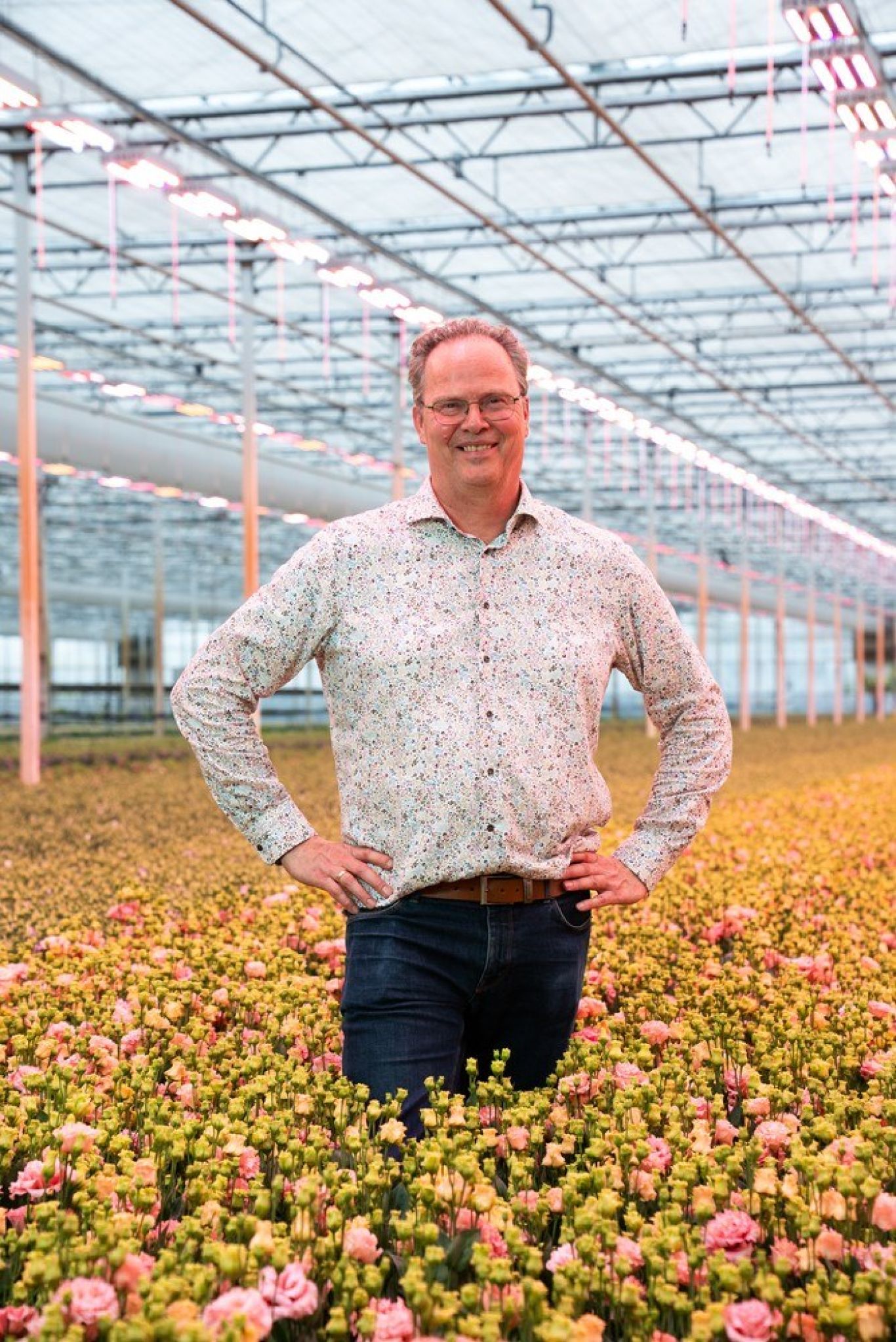
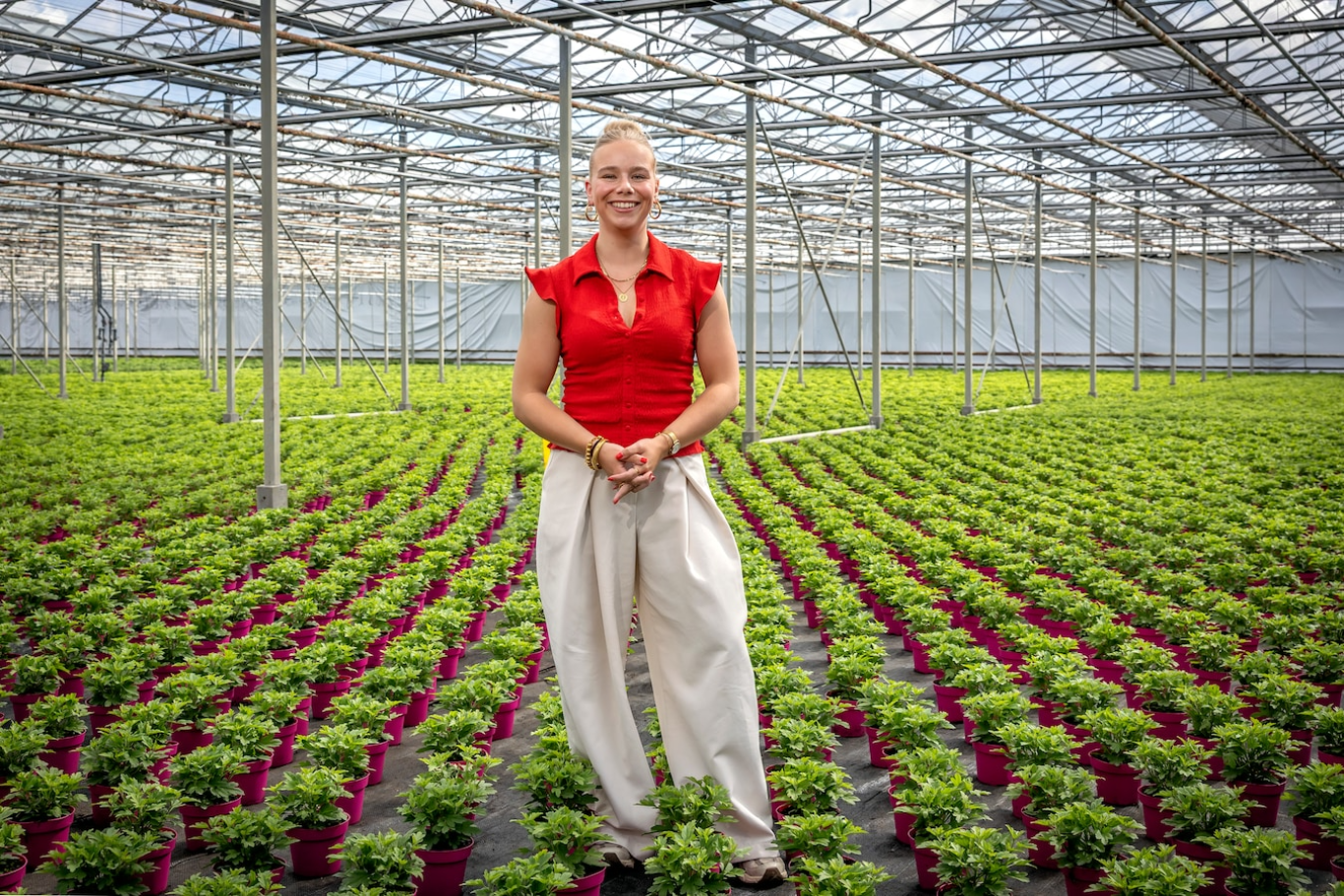
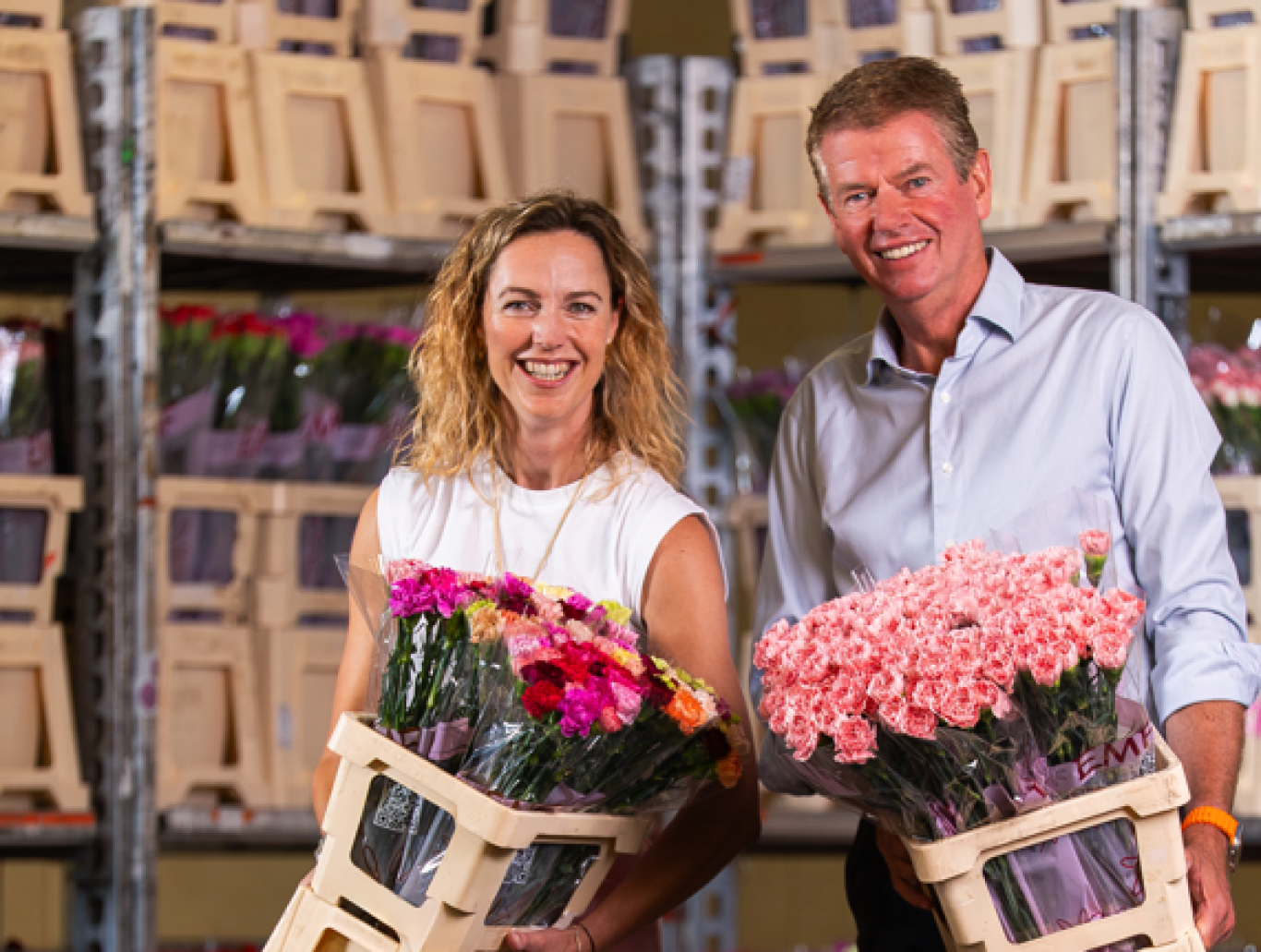
Around Mother’s Day, the sector highlights just how important this period is; Royal FloraHolland does so, among other things, with the ‘Love of Flowers’ campaign. This campaign focuses on growers, with extra attention now being paid to mothers and strong women who often play a key role on farms. Behind every bouquet lies craftsmanship: growers work on their flowers every day with love, care and dedication, often in family businesses where knowledge is passed down from generation to generation and women are playing an increasingly prominent leading role.
-
Did you find this interesting?
Then share this article
-
Related articles