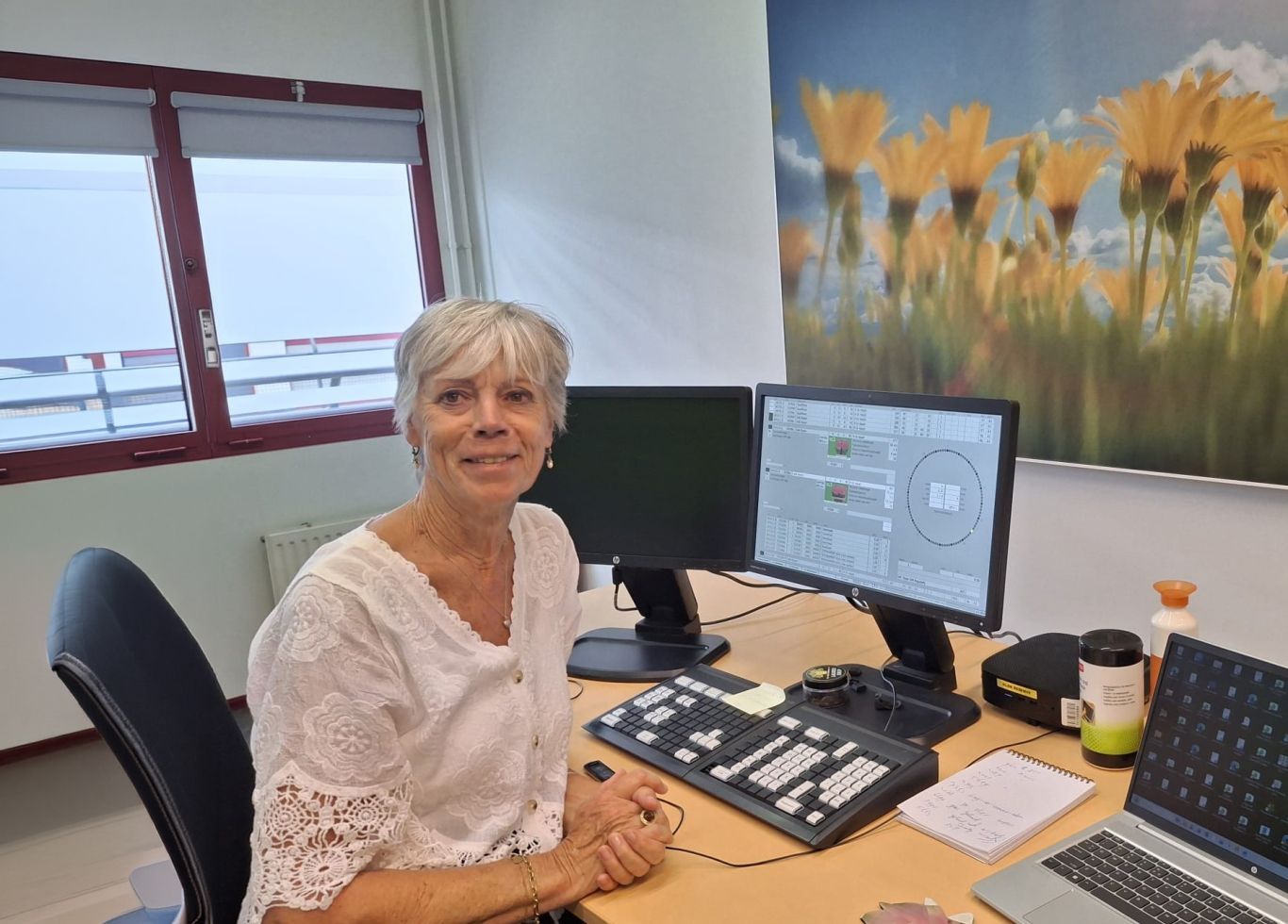
Auctioneers' Column: The market is picking up again after the holidays
August 14, 2026
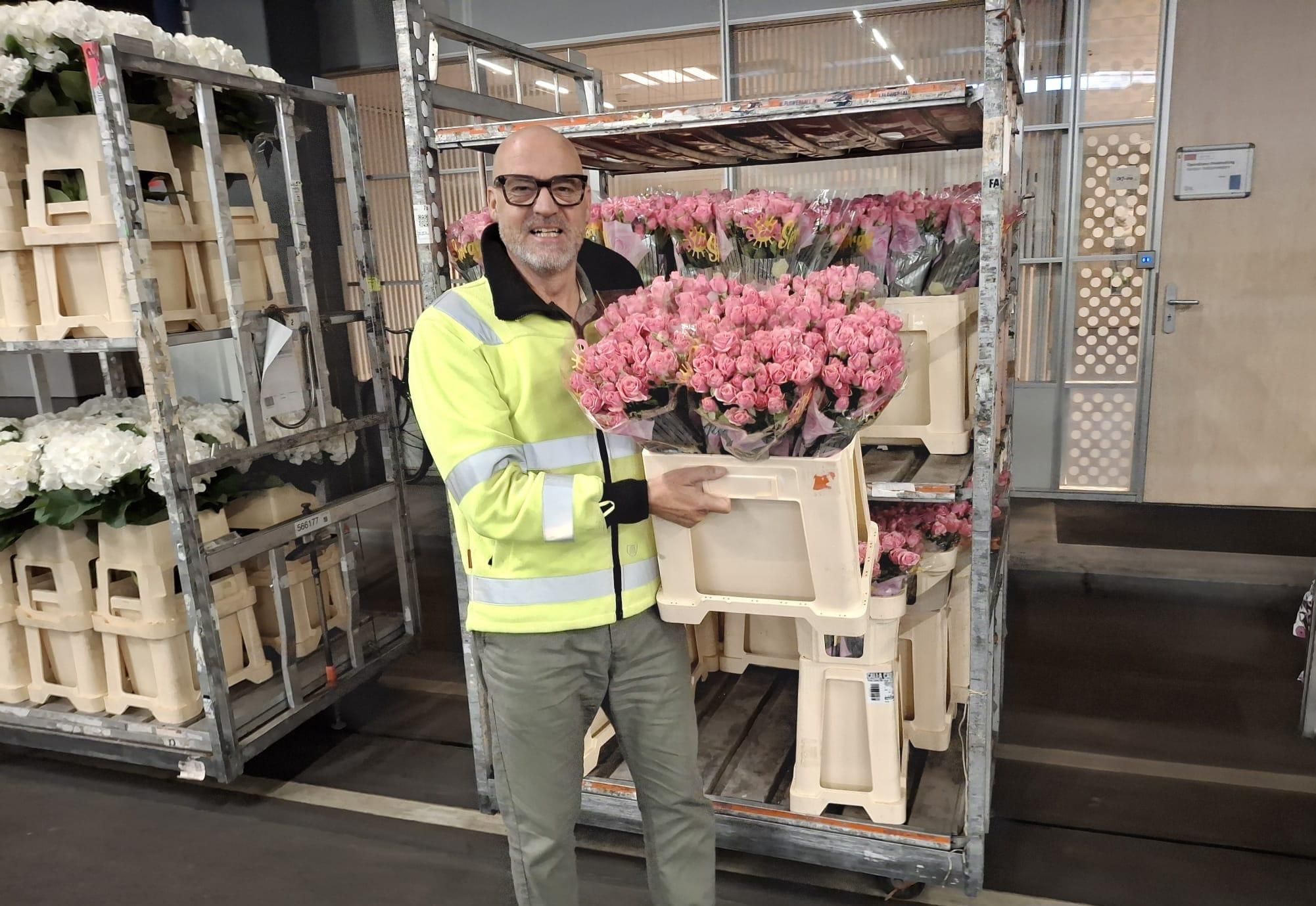
The summer holidays are drawing to a close. While schoolchildren may not be happy about that, it is often a positive time for the flower and plant trade. In this column, auctioneer Erik Wassenaar looks back on a summer of fluctuating prices, lower volumes and a market that remains difficult to predict. He also looks ahead: now that schools are starting again and many people are returning to their normal routines, this could have a positive effect on demand for flowers and plants.
The holidays are drawing to a close
Just two more weeks and all the school holidays will be over. That may not be good news for schoolchildren. But, to be honest, I’m actually looking forward to it from a trade perspective. Normally, as we approach the end of August, prices tend to stabilise a bit more. People return from their holidays, go back to work and resume their normal lives. That often brings more movement to the market.
Still, one thing is clear: the market has changed. Before the coronavirus pandemic, you could often predict market movements fairly accurately. You’d see clear patterns from week to week. Now, that’s far less certain. A lot is happening in the world. That uncertainty is affecting consumers. And therefore also what they buy, including flowers and plants.
Confidence helps the market
Fortunately, it was recently reported in the news that business confidence is on the rise again. As a result, businesses are expecting stronger consumer demand. This could help to strengthen the market. And as the market strengthens, the prices of flowers and plants may also become more stable, and ideally, of course, a few cents higher. Because the current average prices are often not enough to adequately cover all the costs incurred by both growers and buyers.
Looking at the overall RFH average price over the summer, it was higher than in 2025 in almost every week. That is a good result in itself. Yet the general feeling about the past few weeks suggests otherwise. This is mainly due to the volumes, which were significantly lower than in 2025 for almost the entire summer. If you look at individual products, the differences in price and volume can vary even more widely.
Roses show significant variations
If we zoom in on roses, you can clearly see just how significant the differences can be. Costs play a major role here as well. In the Netherlands, but certainly also internationally, costs have risen sharply. Not all production from international farms was sent to Europe. Simply because the revenue does not always cover the costs. Transport is one of the biggest cost factors in this regard.
At some nurseries and farms, as much as 30 per cent of production, and sometimes even more, is processed into sustainable products such as fertiliser or animal feed. This naturally affects the supply at the auction. Lower supply can have a positive impact on prices. But ultimately, you don’t grow flowers and plants just to keep them from reaching the consumer. If those quantities had been on the auction clock, they would probably have put even more pressure on prices.
Every day is different
Over the past week, I’ve seen once again just how volatile prices can be. Yesterday’s prices are no guarantee of today’s. That makes working at the auction interesting, but also challenging. You have to keep a close eye on supply, demand and market sentiment. For growers and buyers, this requires quick thinking. For us as auctioneers, it means we must continue to monitor and guide the market closely.
That uncertainty is simply part of the market at the moment. We cannot predict everything. However, together we can continue to keep a close eye on what is happening. Where is demand coming from? Where is pressure building? Which products are keeping pace and which are lagging behind? It is precisely in a market that is less predictable that the auction remains a key place where supply and demand come together.
Back to the normal rhythm
Looking ahead, what stands out to me most is that everyday life is returning to normal. Many people are returning to work. The school holidays are almost over and children are going back to school. As is traditional, pupils sometimes bring a flower or a bunch for their teacher on the first day of school. So, I expect this period to have a positive effect on the prices of flowers and plants.
As far as I’m concerned, we should keep this tradition alive. A flower for the teacher is a small gesture, but one that carries real value. It brings colour to the classroom, shows appreciation for the teacher and boosts our sector. And let’s be honest: if life is returning to normal, why not make giving flowers part of it?
-
Did you find this interesting?
Then share this article
-
Related articles