What’s changing?
The PPWR affects every link in the supply chain. Essentially, the PPWR requires the floriculture chain to establish a clear division of roles, improve data flows and make more sustainable packaging choices.
Working in a climate-neutral way
The PPWR was introduced to reduce the amount of packaging waste. Europe aims to cut down on packaging and packaging waste, encourage reuse and ensure that materials are highly recyclable.
A single, uniform set of rules creates clearer guidelines within the EU, meaning that companies in all Member States must meet the same minimum requirements. This strengthens the single market and prevents significant differences between Member States. In addition, the PPWR contributes to the broader European ambition to be climate-neutral by 2050. Less waste, more reuse and better recycling are crucial steps in achieving this.
For growers, buyers and suppliers, the PPWR means, among other things:
-
Stricter requirements for packaging for flowers and plants
-
A greater focus on recyclable materials and reusable transport packaging
-
Minimum requirements for recycled plastic
-
New labelling for better waste separation
New roles
The new European PPWR regulations bring significant changes for everyone working with packaging in the floriculture sector. The rules are becoming stricter, more uniform and more data-driven, and affect virtually every link in the supply chain. The PPWR also introduces new roles, each with its own obligations, meaning that floriculture businesses must clearly define which role(s) they fulfil.

Other types of packaging
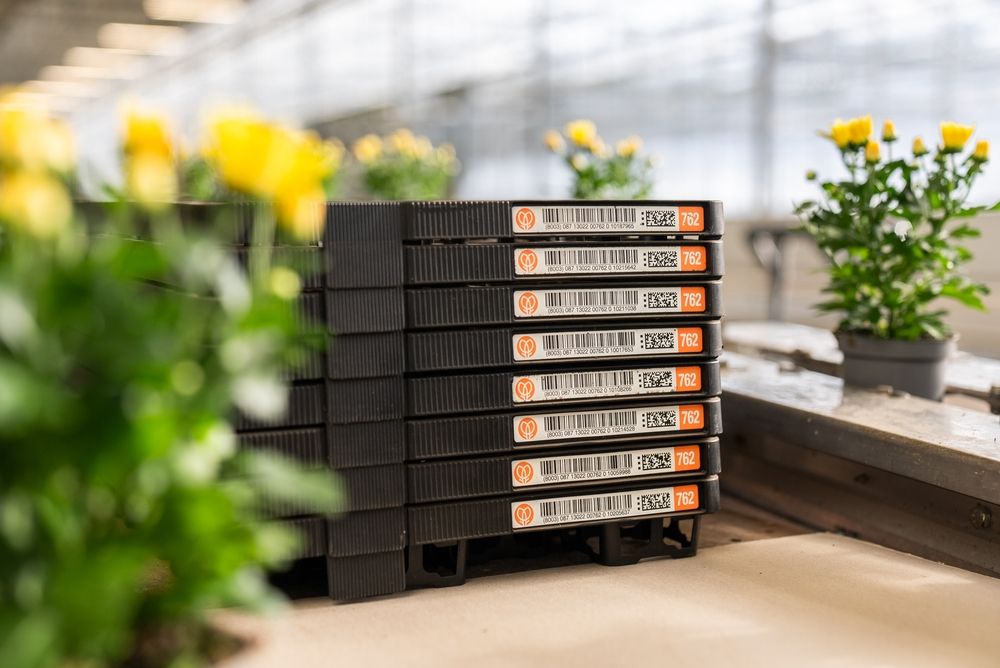
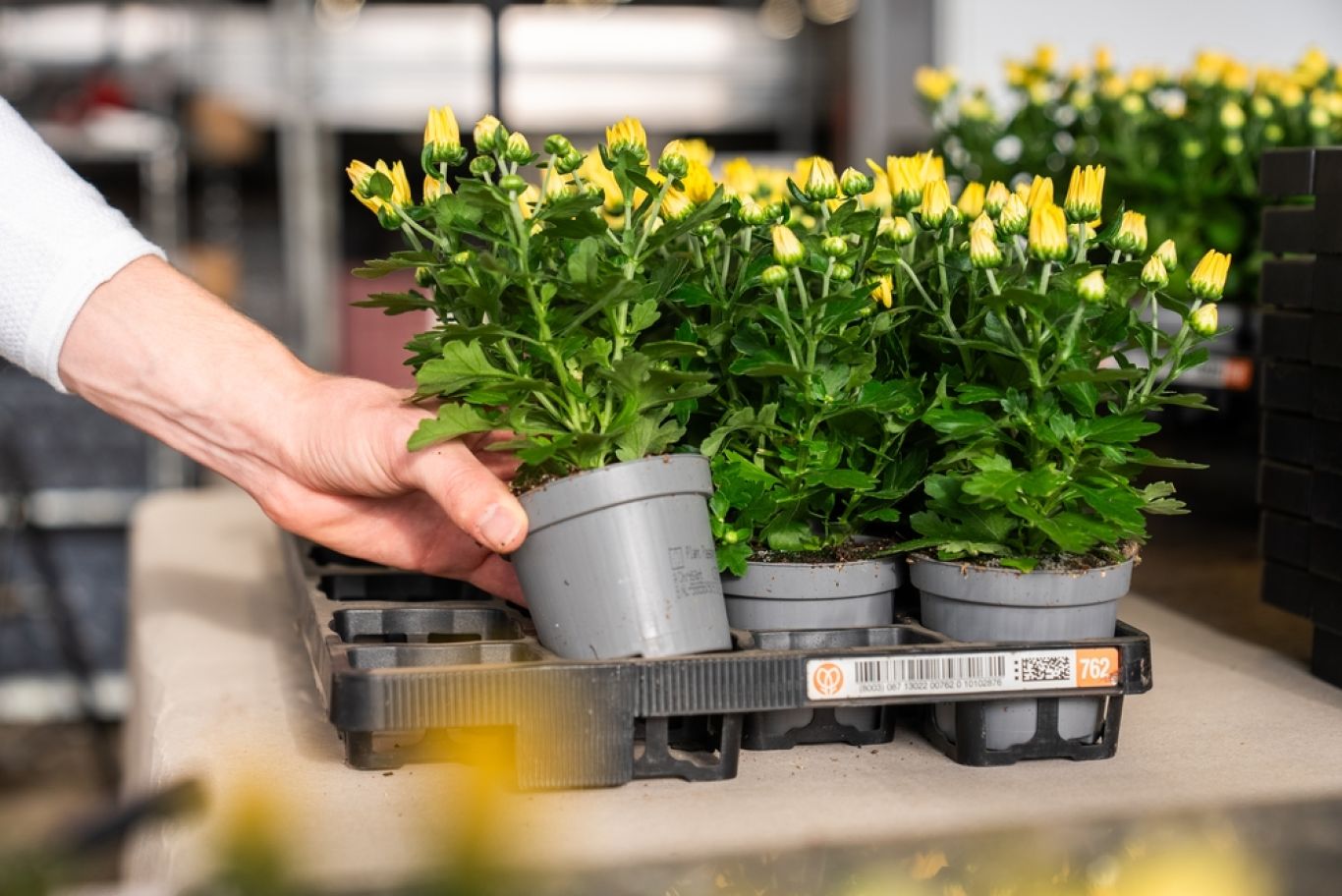
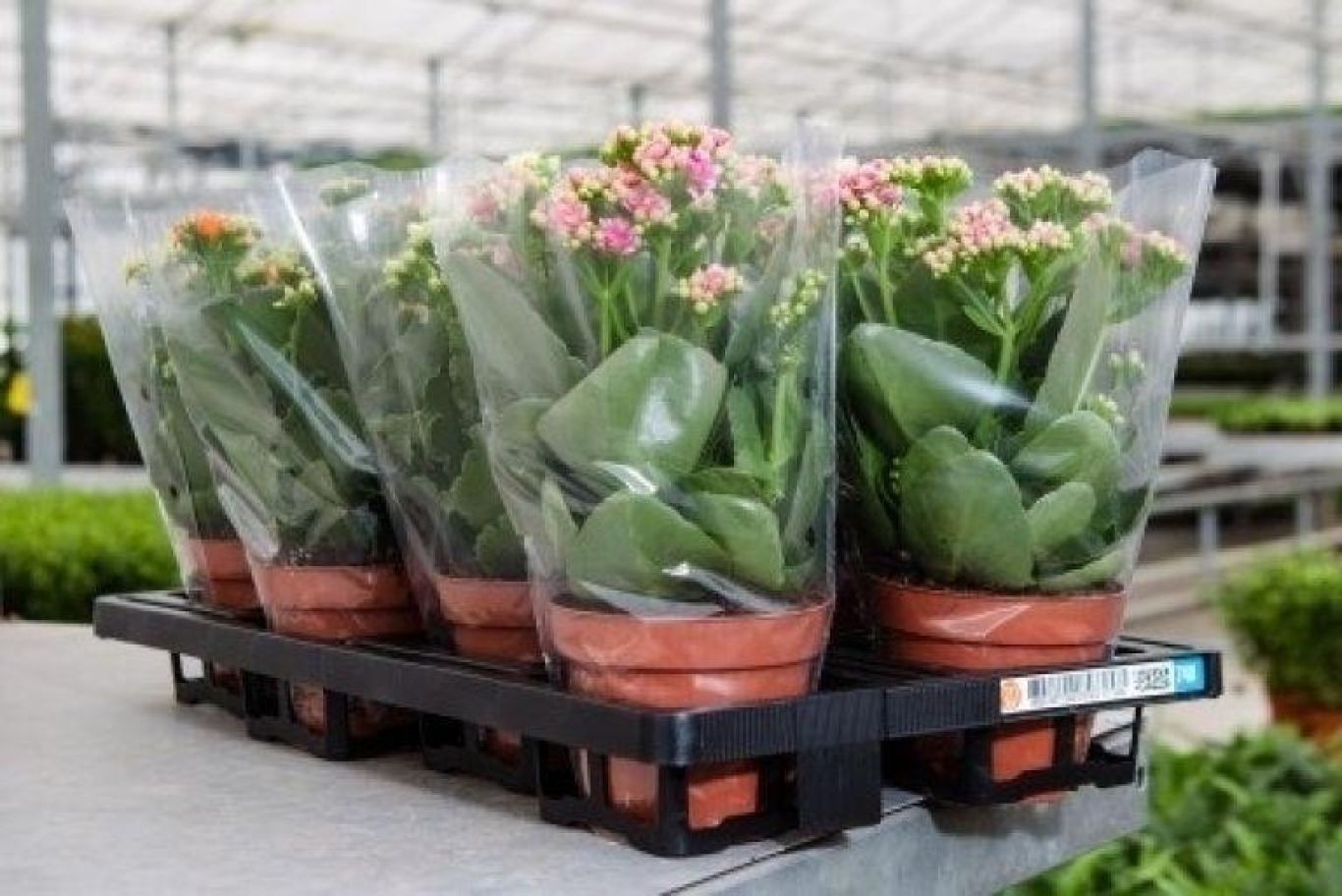
The classification of packaging is also changing: the traditional primary, secondary and tertiary categories are being replaced by new types such as retail, collection, shipping and service packaging. For flowers and plants, this means that more types of packaging are being assessed individually, such as packaging, sleeves, trays and transport packaging.
Transparent use of materials
Manufacturers must draw up a declaration of conformity for each type of packaging and be more transparent about the materials used. Sustainability requirements are becoming more specific: from 2030, recyclability will be assigned a score, minimum requirements will apply to recycled plastic, and some packaging must be reusable. This calls for conscious choices in the design of transport and product packaging.

About Verpact
If you use or place packaging on the market, you will have to deal with Verpact. Verpact is the organisation in the Netherlands responsible for checking whether companies comply with the regulations on packaging. They manage the producer register and handle the annual returns from all companies that place packaging on the market.
Useful information
Make sure you familiarise yourself with the PPWR legislation so you don’t face surprises later on.
More about the PPWR
Disclaimer: This information is based on the most recent publicly available version of the PPWR. All provisions are subject to amendment, supplementation or further specification through delegated acts, implementing acts or other legislative procedures. Royal FloraHolland (RFH) gives no guarantee whatsoever that subsequent changes will be handled in this material.
- This presentation is intended solely to provide a general and broad overview of certain requirements under the PPWR. The content does not constitute legal advice, compliance advice, technical guidance or any other form of professional judgement, and must under no circumstances be regarded as such or relied upon.
- The information provided is not exhaustive and does not purport to give a complete, accurate or authoritative interpretation of the PPWR. For binding and up-to-date information, users should consult the official EU legislation, guidelines and other regulatory publications.
- Royal FloraHolland expressly excludes all liability, including – but not limited to – liability for direct, indirect, incidental, consequential, punitive or special damages arising out of or in connection with:
- the use of or reliance on this information;
- any inaccuracies, omissions, outdated data or subsequent changes to the PPWR;
- decisions taken or omitted on the basis of this material.
- RFH makes no warranty or representation, express or implied, regarding the accuracy, completeness, timeliness or continued availability of the information.
- Each user is solely and fully responsible for assessing the applicability and consequences of this information within their own business operations, legal obligations, compliance requirements and operational processes. The use of the information, examples or conclusions is entirely at your own risk. RFH accepts no duty of care whatsoever and is under no obligation to update, correct or supplement this material.