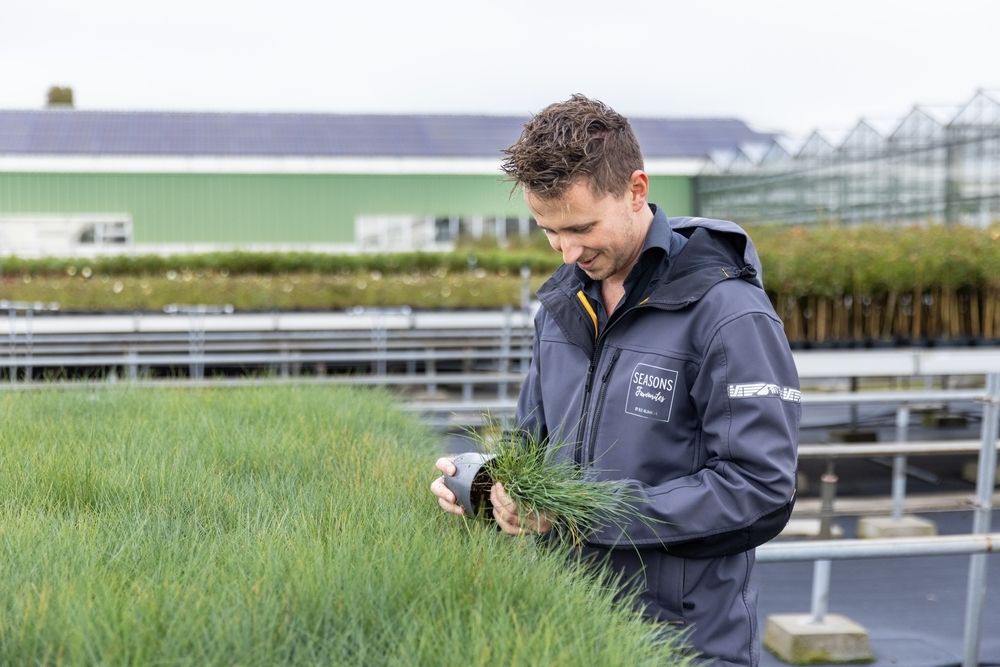
Liveable planet
Becoming more sustainable together means that we, as the floriculture sector, must also shape the energy transition together. We are determined to bring our activities and needs within the limits of a liveable world. These impact makers explain how they are contributing to this.
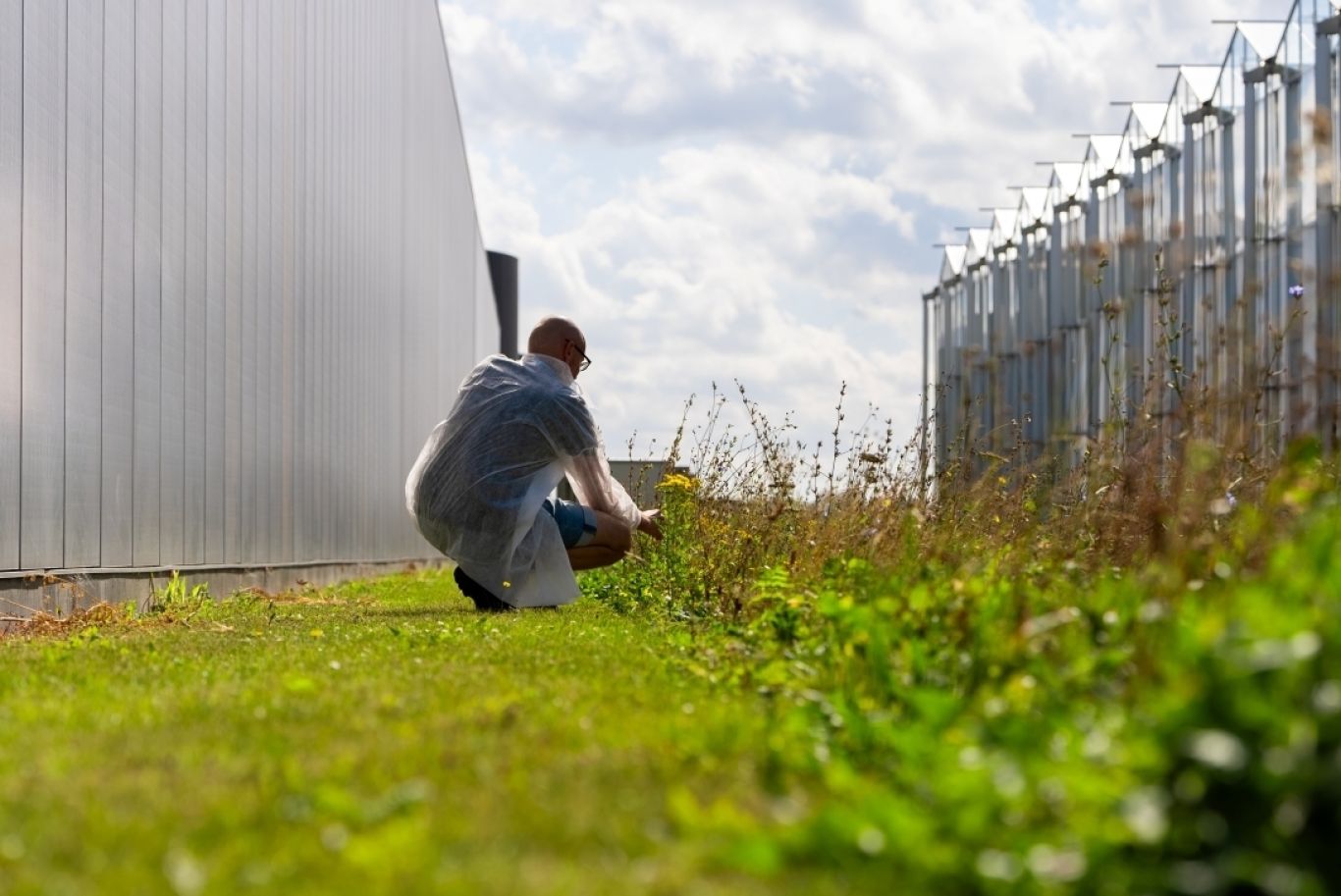
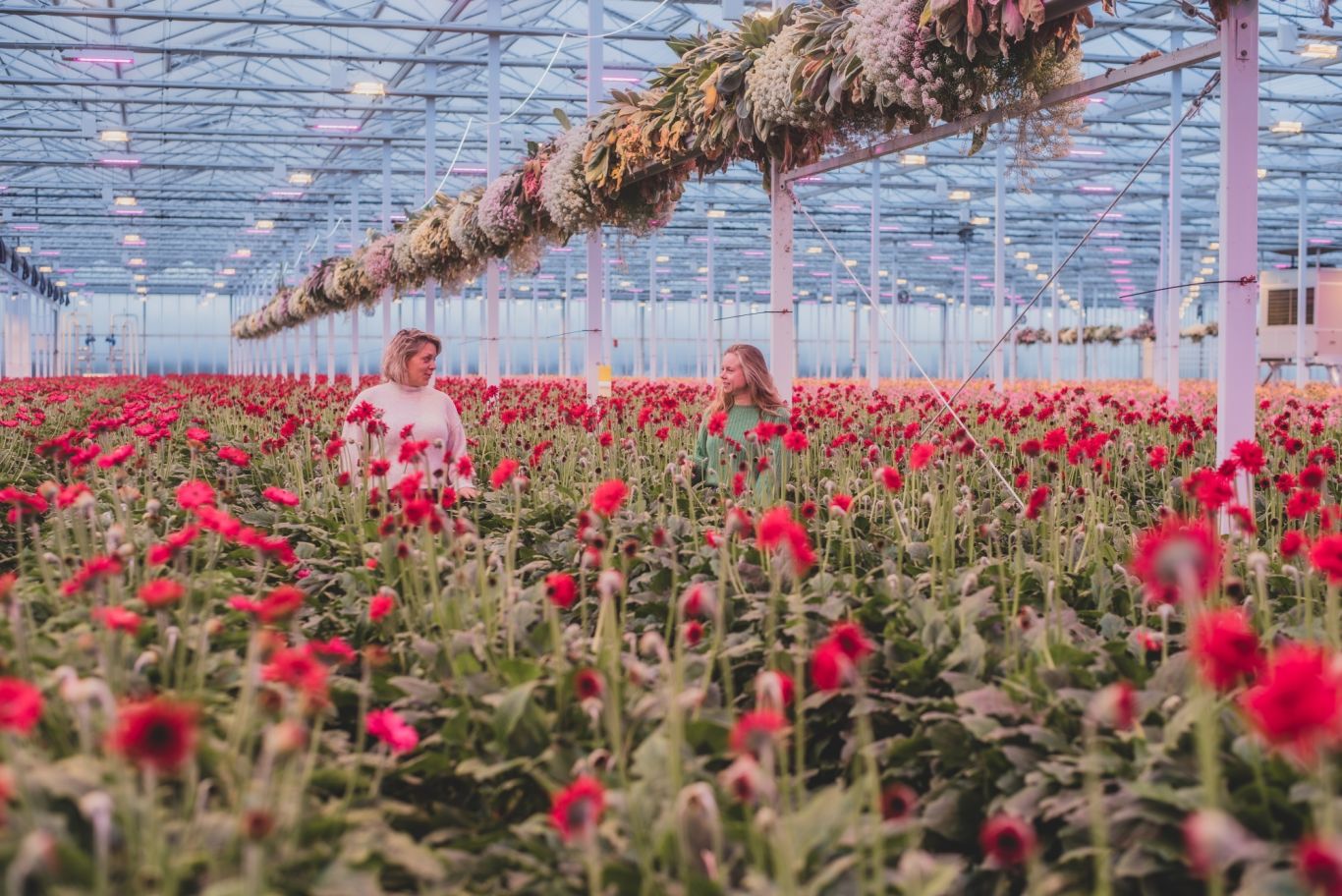

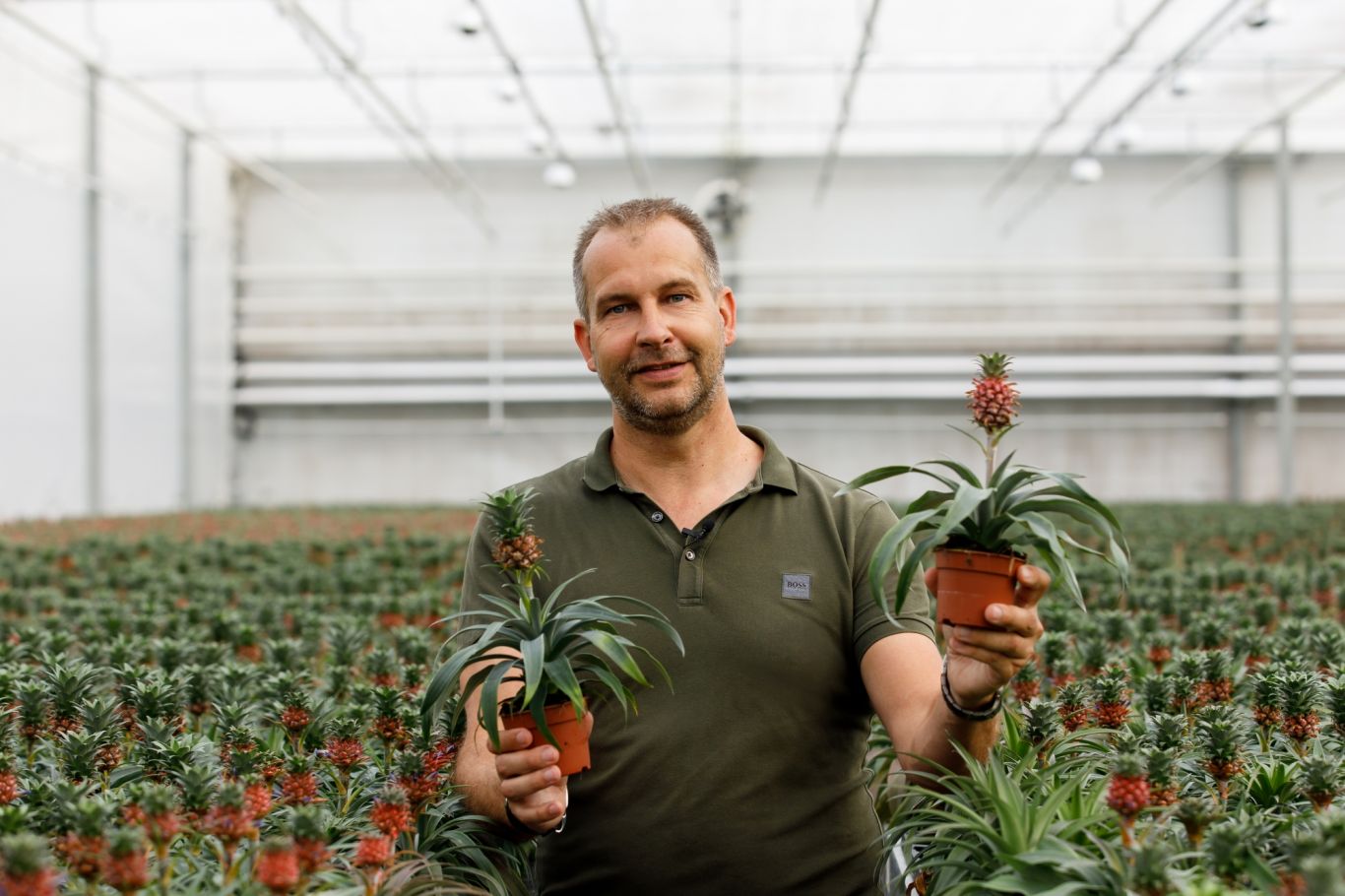
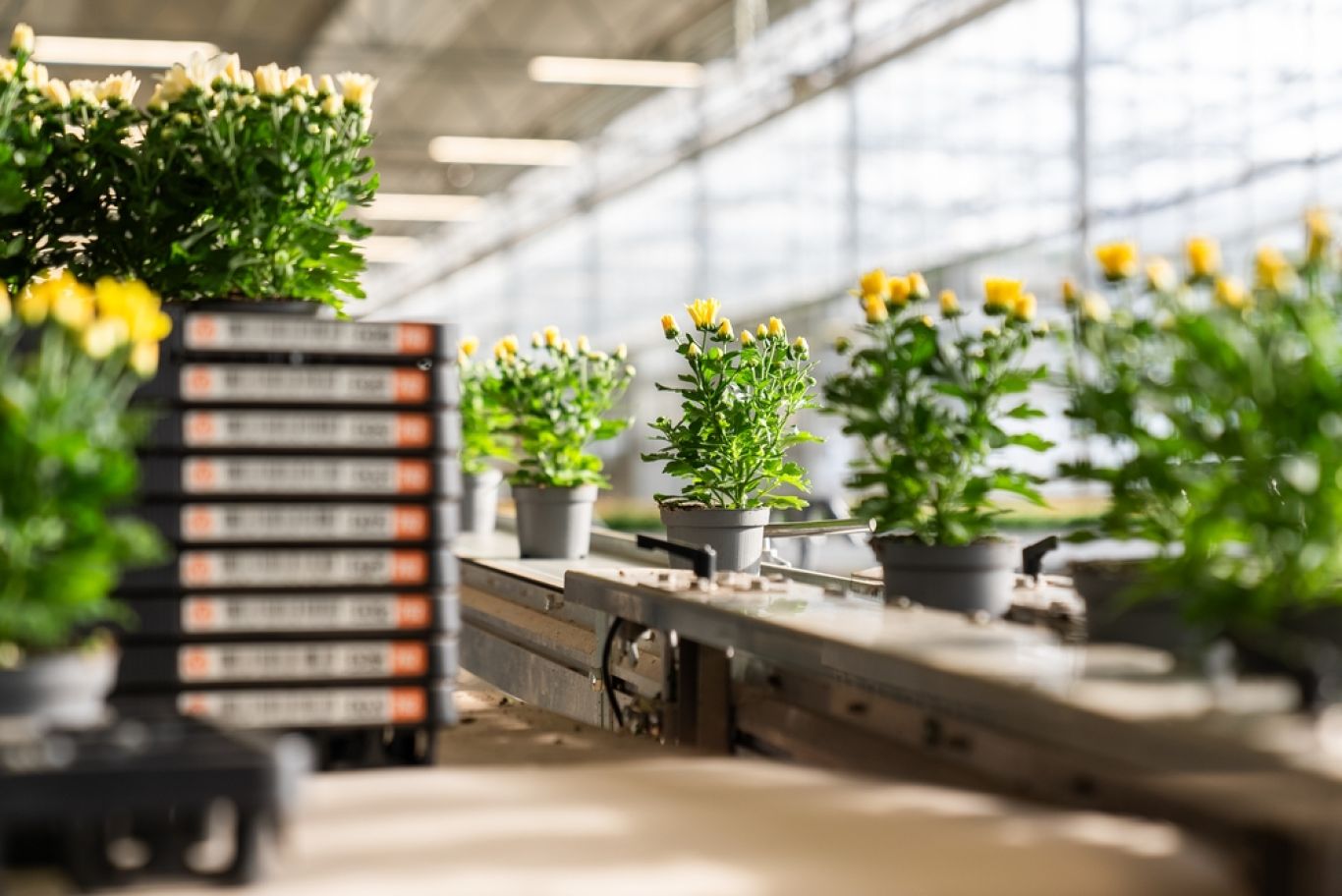
Oudijk Gerbera: Sustainable cultivation with passion
Oudijk Gerbera uses various methods in the greenhouse to reduce the use of water, energy, and crop protection.

J&P Ten Have: Sprayventive
Strong, evenly growing plants without chemical growth inhibitors? J&P ten Have makes it happen with Sprayventive, a groundbreaking system that combines UVC light and smart sensors for natural growth regulation and biological plant protection products. Each plant gets exactly what it needs, fully automatically and with minimal use of resources. The result: less crop protection, better quality, and safer working conditions.

Kisima Farm Ltd – Biodiversity Protection
At Kisima Farm in Kenya, nature and production blossom together. With the Biodiversity Protection program, the grower is restoring natural ecosystems to the land: native plant buffers, pollinator gardens, and wetlands teeming with life. This biodiversity keeps pests at bay, enriches the bottom, and stabilizes the local climate. The community also benefits: with clean water, medicinal plants, and environmental education.

Holla Roses PLC – Circular Farming
At Holla Roses in Ethiopia, every rose gets a second life. All green waste is converted into compost, biogas, and vermicompost within a fully circular system. This creates fertile soil, clean energy, and fewer emissions. In the video, you can see how Holla Roses demonstrates that flower cultivation should not only be beautiful, but can also be sustainable — with a nod to people, the environment, and the long term.

Hkw. Bruinen – Little Spider
With Little Spider, Handelskwekerij Bruinen introduces a revolutionary method of biological plant protection products. Tiny, lightning-fast spiders build their nests in the crop, reproduce, and effectively tackle pests such as thrips and aphids. This reduces the use of crop protection products by up to 100%.
